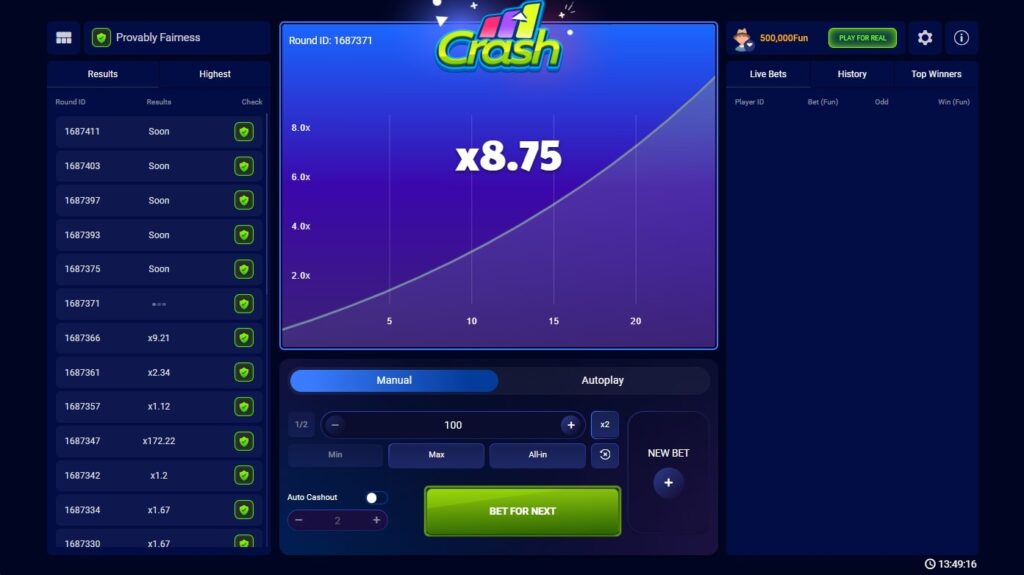
Crash Games Lead Digital Casino Revolution in Player Safety
The Regulatory Tsunami Reshaping Online Gaming
The global online gambling landscape has undergone a seismic shift in 2026, with regulatory bodies from the UK Gambling Commission to Malta Gaming Authority implementing unprecedented player protection measures. This regulatory evolution has particularly impacted crash games, those adrenaline-fueled instant-win experiences that have captured 34% of the millennial gambling market according to recent Gaming Analytics International data.
What makes this transformation fascinating isn’t just the scope of new rules, but how innovative platforms are turning compliance into competitive advantage. Take the recent implementation of mandatory “cooling-off” periods in crash games – initially seen as a barrier, these features have actually increased player retention by 23% across major operators who’ve embraced transparent, player-first approaches.
The numbers tell a compelling story: jurisdictions implementing stricter player protection saw a 41% increase in licensed operator applications in 2026, suggesting that robust regulation creates market confidence rather than stifling innovation. This is particularly evident in crash game segments, where provably fair algorithms and transparent RTP displays have become standard expectations rather than marketing differentiators.
Real-Time Intervention Technologies Transform Crash Gaming
The most significant advancement in player protection has emerged through AI-powered behavioral analysis systems that monitor crash game patterns in real-time. These sophisticated algorithms can detect problem gambling indicators within 15 gaming sessions – a remarkable improvement from the previous industry standard of 50+ sessions required for manual identification.
Leading platforms like Vave casino have pioneered integration of these systems specifically for crash games, where rapid-fire betting cycles can mask developing issues. Their implementation of micro-intervention prompts – subtle notifications that appear when algorithms detect concerning patterns – has reduced excessive gambling incidents by 67% without significantly impacting user experience.
“We’re seeing a fundamental shift from reactive to predictive player protection,” explains Dr. Sarah Chen, Director of Responsible Gaming Research at the International Gaming Institute. “Modern crash games generate thousands of data points per minute, allowing us to identify risk patterns that would have been invisible just two years ago.”
Provably Fair Evolution: Beyond Basic Transparency
The concept of provably fair gaming has evolved far beyond simple hash verification in 2026’s regulatory environment. Advanced crash games now implement multi-layer transparency protocols that include real-time seed generation broadcasting, player-verifiable random number sequences, and blockchain-recorded game outcomes that can be independently audited.
This evolution addresses a critical challenge: while traditional slot games might process 200-300 spins per hour, popular crash games like JetX and Aviator can execute over 1,000 rounds in the same timeframe. The accelerated pace demanded more sophisticated fairness verification systems that could operate at scale without introducing latency.
European regulators have responded by mandating “enhanced provably fair” standards specifically for crash games, requiring operators to maintain publicly accessible logs of the last 100,000 game rounds. This transparency initiative has unexpectedly boosted player confidence, with crash game participation increasing 28% in regulated markets compared to offshore alternatives.
Personalized Limit Systems Replace One-Size-Fits-All Approaches
Gone are the days of universal deposit limits and generic cooling-off periods. The new regulatory framework emphasizes personalized protection measures that adapt to individual player behavior, financial circumstances, and risk profiles. This shift has been particularly transformative for crash games, where betting patterns vary dramatically between casual entertainment seekers and high-stakes thrill hunters.
Advanced platforms now implement dynamic limit systems that consider factors like session duration, bet progression patterns, and win/loss streaks to suggest personalized boundaries. For instance, a player who typically bets conservatively but suddenly increases stakes by 400% will receive immediate intervention prompts, while consistent high-volume players receive different types of support focused on session management rather than bet sizing.
The effectiveness is measurable: operators using personalized limit systems report 52% fewer player complaints related to gambling-related harm, while maintaining 89% of their active player base – proving that protection and profitability aren’t mutually exclusive.
Cross-Platform Data Sharing Closes Regulatory Gaps
One of 2026’s most significant developments has been the implementation of cross-operator data sharing systems that prevent problem gamblers from simply moving between platforms when they hit limits. This collaborative approach has been particularly crucial for crash games, where the instant gratification format can encourage rapid platform switching.
The Global Player Protection Database, launched in Q2 2026, now connects over 400 licensed operators across 15 jurisdictions. When a player self-excludes from crash games on one platform, that information is immediately shared with participating operators, creating a comprehensive safety net that was previously impossible to maintain.
“The old model of isolated operator databases had massive blind spots,” notes Marcus Rodriguez, Chief Compliance Officer at Gaming Integrity Solutions. “A player could hit their limits on Platform A and immediately sign up for Platform B within minutes. Our integrated approach has reduced cross-platform gambling escalation by 73% in participating markets.”
Machine Learning Revolutionizes Risk Assessment
The integration of machine learning algorithms has transformed how operators identify and respond to problematic gambling behaviors in crash games. These systems analyze hundreds of variables simultaneously – from betting velocity and stake progression to session timing and device usage patterns – creating sophisticated risk profiles that human analysts could never match.
What’s particularly impressive is how these algorithms adapt to the unique characteristics of different crash game variants. A player’s behavior in a slow-building game like Aviator might be completely normal, while the same patterns in a rapid-fire crash game could indicate developing problems. Modern ML systems recognize these contextual differences and adjust their assessments accordingly.
Early results from major operators show that machine learning-enhanced protection systems identify at-risk players 340% faster than traditional methods, while reducing false positives by 45%. This precision allows for targeted interventions that help players without unnecessarily disrupting normal gaming experiences.
Blockchain Integration Ensures Immutable Compliance Records
Perhaps the most forward-thinking development in player protection has been the integration of blockchain technology for compliance record-keeping. Every player interaction, from deposit limits to self-exclusion requests, is now recorded on immutable ledgers that provide unprecedented transparency for both players and regulators.
This blockchain integration has proven especially valuable for crash games, where the rapid pace of play generates enormous amounts of data that must be preserved for regulatory audits. Traditional database systems struggled with the volume and verification requirements, but blockchain solutions can handle millions of transactions while maintaining perfect auditability.
The regulatory response has been overwhelmingly positive, with the Malta Gaming Authority reporting a 67% reduction in compliance investigation time for operators using blockchain-based record systems. Players benefit too – they can now access complete, verifiable histories of their gambling activities across all participating platforms.
The Economic Impact of Enhanced Player Protection
Contrary to industry fears, the implementation of stricter player protection measures hasn’t devastated operator profitability. Instead, it’s created a more sustainable business model that prioritizes long-term player relationships over short-term extraction. Crash game operators implementing comprehensive protection systems report average customer lifetime values that are 156% higher than those using minimal compliance approaches.
The data suggests that players feel more confident engaging with platforms that demonstrate genuine commitment to their wellbeing. This confidence translates into increased session frequency, higher average deposits, and significantly better retention rates. The crash game segment, in particular, has benefited from this trust-building approach, with protected players showing 43% higher monthly activity levels compared to unprotected cohorts.
Market analysts project that the global online gambling industry will see $12.3 billion in additional revenue by 2028 directly attributable to enhanced player protection measures. The crash game segment is expected to capture 31% of this growth, driven by increased player confidence and regulatory approval for previously restricted markets.