Payment Flow Surveillance: The New Regulatory Battleground
The Digital Money Trail That Never Lies
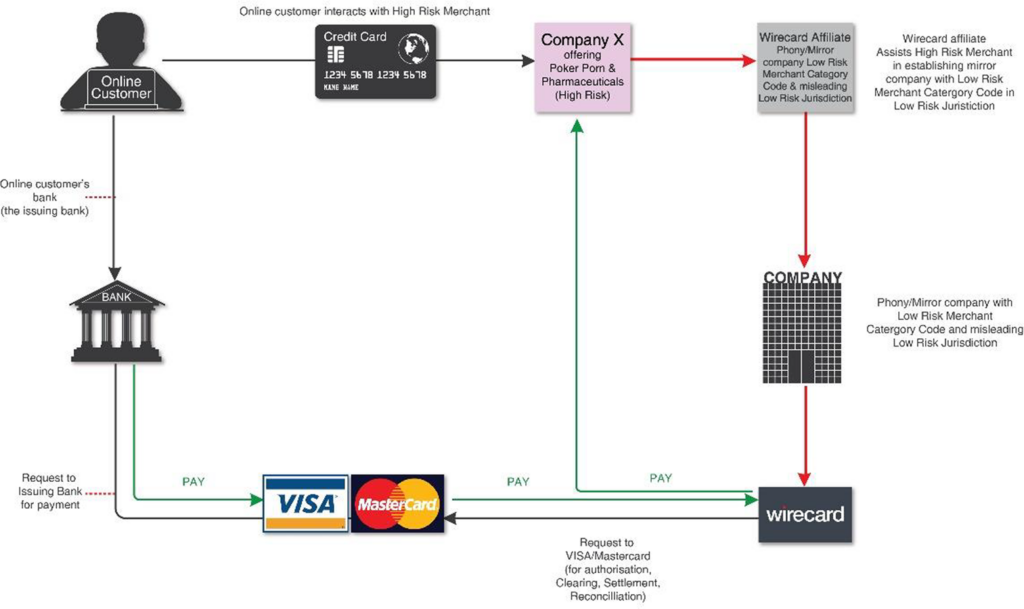
Casino regulators worldwide have quietly shifted their surveillance tactics, moving beyond traditional game fairness audits to focus intensively on payment flows. This pivot represents the most significant regulatory evolution in online gambling oversight since the introduction of Random Number Generator testing. The reason? Payment patterns reveal everything from money laundering schemes to problem gambling behaviors that traditional monitoring methods often miss.
The numbers tell a stark story. According to the Financial Action Task Force’s 2026 report, suspicious transaction reporting from gambling operators increased by 347% over the past three years, with payment flow anomalies accounting for 68% of all red flags raised. This surge isn’t coincidental—it reflects both improved detection capabilities and the growing sophistication of financial crimes targeting the gambling sector.
Modern crash games like Aviator and JetX have become particular focal points for regulators. Their rapid-fire betting cycles and instant payouts create thousands of micro-transactions that can easily mask illicit fund movements. When platforms like HellSpin casino implement comprehensive payment monitoring systems, they’re not just protecting themselves—they’re contributing to a global effort to maintain the integrity of digital gambling ecosystems.
Machine Learning Algorithms Decode Betting Behaviors
The technological arms race between regulators and bad actors has reached unprecedented sophistication. Modern payment flow analysis employs artificial intelligence systems capable of processing millions of transactions simultaneously, identifying patterns that would take human analysts months to detect. These systems don’t just flag large transactions—they’re designed to spot the subtle behavioral signatures that indicate coordinated fraud or money laundering.
Dr. Sarah Chen, Director of Financial Crimes at the International Gaming Standards Association, explains the complexity: “We’re seeing criminals adapt their strategies constantly. They’ll use hundreds of small accounts, each making seemingly innocent deposits and withdrawals. But when you analyze the timing, amounts, and geographic distribution using machine learning, clear patterns emerge that human oversight would never catch.”
The most advanced regulatory systems now track what experts call “velocity patterns”—the speed and frequency of deposits, bets, and withdrawals across different games and time periods. A legitimate player might deposit $100, play for several hours, and withdraw $150. A money launderer might deposit $100, place a few token bets, and immediately withdraw $95, repeating this process across multiple accounts and platforms.
Cross-Border Compliance Creates Regulatory Complexity
International gambling operations face a labyrinthine web of payment flow regulations that vary dramatically between jurisdictions. What’s considered acceptable transaction monitoring in Malta might be insufficient for UK Gambling Commission standards, while Canadian provincial regulators impose entirely different requirements for real-time reporting.
This regulatory fragmentation has created what industry insiders call “compliance arbitrage”—operators shopping for the most lenient jurisdictions while still accessing lucrative markets. However, 2026 data from the European Gaming and Betting Association shows that major payment processors are increasingly refusing to work with operators who don’t meet the highest international standards, regardless of their licensing jurisdiction.
The practical implications are enormous. A single crash game session might involve players from twelve different countries, each subject to their home nation’s anti-money laundering requirements. Payment processors must simultaneously comply with source-of-funds verification in Germany, transaction limits in Sweden, and real-time reporting obligations in the Netherlands—all while processing bets that last mere seconds.
The Cryptocurrency Challenge Reshapes Monitoring Strategies
Cryptocurrency payments have fundamentally altered the regulatory landscape, forcing authorities to develop entirely new monitoring frameworks. Unlike traditional banking transactions that follow established audit trails, crypto payments can involve complex blockchain transactions that obscure the ultimate source and destination of funds.
Recent statistics from Chainalysis reveal that gambling-related cryptocurrency transactions reached $8.2 billion in 2026, representing a 156% increase from the previous year. More concerning for regulators, approximately 23% of these transactions showed characteristics consistent with mixing services or privacy coins designed to obscure transaction histories.
Marcus Rodriguez, Senior Compliance Officer at the Gibraltar Financial Services Commission, notes the evolving challenge: “Traditional payment flow analysis relied on bank records and established financial institutions. With cryptocurrency, we’re tracking transactions across decentralized networks where a single payment might hop through fifteen different wallets before reaching its destination. Our monitoring systems have had to become exponentially more sophisticated.”
Real-Time Intervention Systems Transform Player Protection
Beyond anti-money laundering efforts, payment flow monitoring has become a crucial tool for identifying and preventing problem gambling. Advanced systems now analyze betting patterns, deposit frequencies, and loss trajectories to identify players showing signs of gambling addiction before traditional indicators become apparent.
The most sophisticated platforms employ what’s known as “behavioral biometrics”—analyzing not just what players bet, but how they interact with payment interfaces. Rapid, repeated deposit attempts, especially following significant losses, trigger immediate intervention protocols. Some systems can detect the telltale signs of “chasing losses” within minutes of the behavior beginning.
Current data from the Responsible Gambling Council indicates that early intervention based on payment flow analysis reduces severe gambling harm by approximately 34% compared to traditional time-based or loss-based limits. This effectiveness has prompted regulators in multiple jurisdictions to mandate real-time payment monitoring as a condition of licensing.
Industry Adaptation Drives Innovation in Financial Technology
The regulatory focus on payment flows has sparked remarkable innovation within the gambling industry’s financial technology sector. Operators are investing heavily in proprietary monitoring systems that go far beyond basic compliance requirements, viewing advanced payment analysis as a competitive advantage rather than merely a regulatory burden.
Leading platforms now employ predictive analytics that can identify potentially problematic transactions before they complete. These systems analyze factors including geographic risk scores, device fingerprinting, behavioral consistency, and even linguistic patterns in customer communications to assess transaction legitimacy in real-time.
The technology has become so sophisticated that some operators report detecting fraud attempts within 0.3 seconds of initial deposit attempts. This rapid response capability not only protects operators from financial crimes but also enhances the overall player experience by reducing false positives that might block legitimate transactions.
Future Regulatory Trends Point Toward Unified Global Standards
Industry experts predict that the current patchwork of national payment flow regulations will gradually consolidate into unified international standards. The Financial Action Task Force is developing comprehensive guidelines specifically for digital gambling payments, with implementation expected across major jurisdictions by 2027.
These emerging standards will likely mandate real-time transaction monitoring, standardized suspicious activity reporting, and enhanced customer due diligence for high-risk payment methods. More significantly, they’re expected to require operators to maintain detailed audit trails for all payment flows, including the ability to reconstruct complete transaction histories on demand.
The implications extend beyond compliance costs. Operators who invest early in advanced payment monitoring systems will likely find themselves better positioned as regulations tighten. Those relying on minimal compliance frameworks may face significant operational disruptions as new standards take effect.
The regulatory focus on payment flows represents more than a temporary enforcement trend—it’s a fundamental shift toward treating financial transparency as the cornerstone of legitimate gambling operations. As the industry continues evolving, operators who embrace comprehensive payment monitoring won’t just be meeting regulatory requirements—they’ll be building the foundation for sustainable, trustworthy gambling ecosystems that benefit players, operators, and society alike.